

Neurodiversity Support Specialist Certification Program
Flex Courses
Designed for Learning Support Assistants
Building Inclusive Expertise
The Neurodiversity Support Specialist Certification builds Learning Support Assistants' (LSAs) capacity to support students with disabilities, twice-exceptional (2e) learners, and gifted students within an inclusive international school setting. From foundational knowledge to specialized expertise for diverse learners, each of the three levels builds sequentially towards certification.
Learning Support Assistants are already invaluable members of international school communities; this certification is designed for those who want to elevate their practice to the next level.
Level A
Essentials
Laying the Foundation for Inclusive Practice
The LSA's role as observer and data collector.
Level B
Integrated Practice
Expanding the LSA's Toolkit for Diverse Needs
Practical strategies for common learning differences.

Level C
Advanced Techniques
Specializing in Twice-Exceptional (2e) and Gifted Learners
The capstone level for 2e and gifted learner support.
"highly recommended! I’ve learned so much from this course. And the teachers are super helpful, patient, response quick and supportive." — Level A course participant
〰️
"I would highly recommend this course to anyone considering it. It gave me practical strategies, helped me reflect on my teaching, and allowed me to learn directly from working with students. I found it both useful and inspiring." — Level A course participant
〰️
"This course is a game-changer for anyone working in learning support. It moves away from the old idea of 'discipline' and teaches you how to be an educational architect. You will learn that when a student struggles with something like multi-digit division, it isn’t always a lack of ability—it’s often a lack of the right scaffold or a clear set of behavioral expectations." — Level B course participant
〰️
"The skills you learn in this course are essential for the creation of an inclusive learning environment. One that all stakeholders benefit from and are rewarded by. You won't regret setting off on this journey." — Level C course participant
〰️
"highly recommended! I’ve learned so much from this course. And the teachers are super helpful, patient, response quick and supportive." — Level A course participant 〰️ "I would highly recommend this course to anyone considering it. It gave me practical strategies, helped me reflect on my teaching, and allowed me to learn directly from working with students. I found it both useful and inspiring." — Level A course participant 〰️ "This course is a game-changer for anyone working in learning support. It moves away from the old idea of 'discipline' and teaches you how to be an educational architect. You will learn that when a student struggles with something like multi-digit division, it isn’t always a lack of ability—it’s often a lack of the right scaffold or a clear set of behavioral expectations." — Level B course participant 〰️ "The skills you learn in this course are essential for the creation of an inclusive learning environment. One that all stakeholders benefit from and are rewarded by. You won't regret setting off on this journey." — Level C course participant 〰️

Choose the option that best fits your busy schedule with our Flex Series
Prefer to progress through a course at your own pace, ramping up when you have extra time during a break and stepping away from the course at busy times of the year? Although you are free to complete the course as quickly as you like, if you need the flexibility of a 9-week block of time in which to comfortably complete your course, the Flex Series is the right option for you.
TIME COMMITMENT
Meet Your Facilitators
-
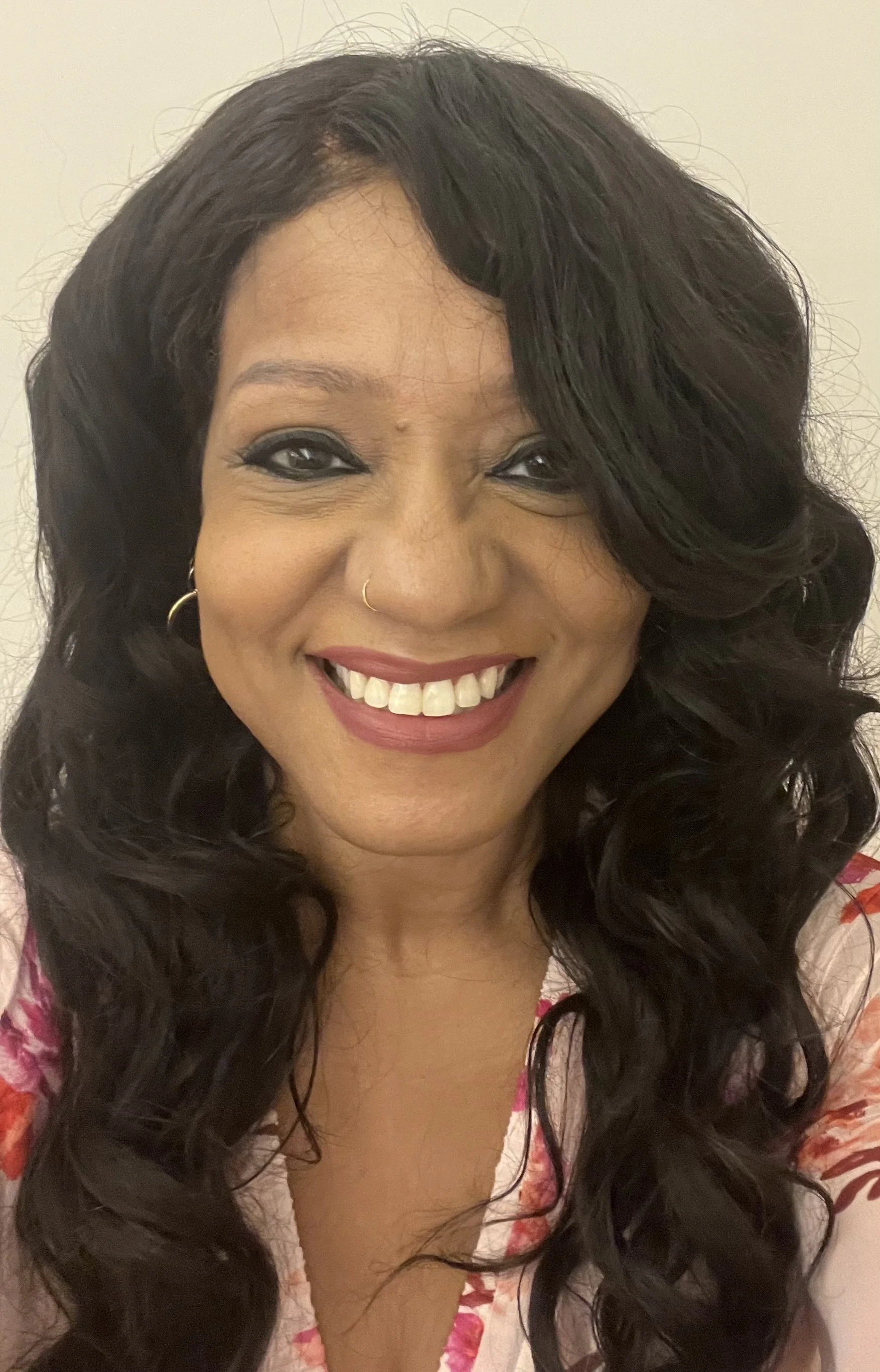
Dr. Anita Churchville is an educational consultant specializing in inclusion for international schools and is the founder of the HAGT Learners Collaborative. She previously created and coordinated the Gifted and Talented Education programs at the American School of Bombay, the American School of Doha, and Academia Cotopaxi in Quito, Ecuador. In addition, she served as a Program Specialist, supporting over a dozen schools in the Los Angeles Unified School District in California.
-
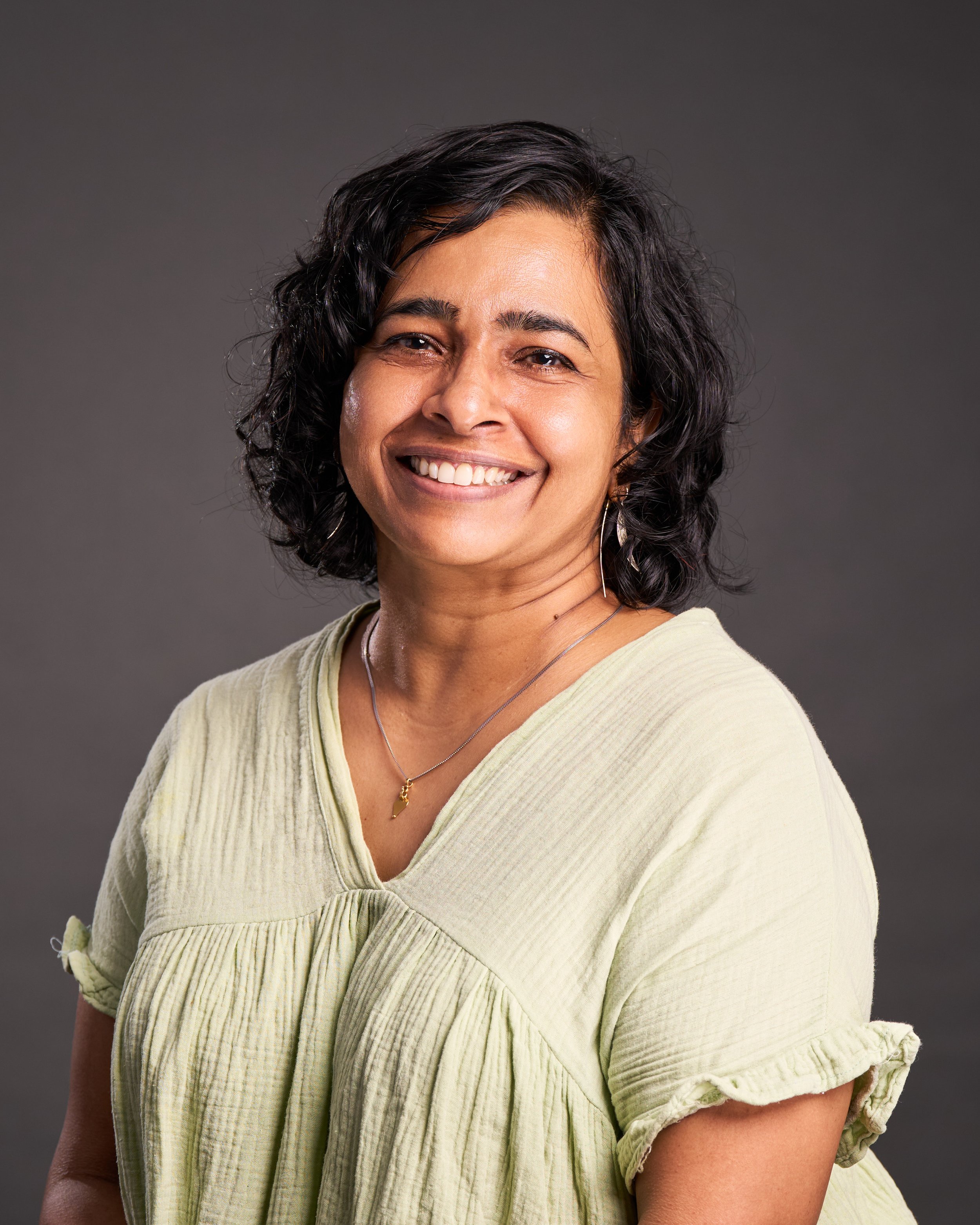
Maya Krishnadas is a middle school learning and high-ability coach with 11 years of teaching experience, currently in her 8th year at ASB. She is deeply committed to supporting diverse learners and strongly believes in the power of personalization to meet students' needs. Maya is currently focused on understanding and supporting twice-exceptional students, striving to help them reach their full potential.
The Course Catalog

level AEssentials
COURSE OUTCOMES:
Contextual Understanding: Develop a clear understanding of international school educational philosophies and their commitment to inclusion.
Role Clarity: Articulate the essential responsibilities and ethical considerations of LSAs in supporting diverse learners.
Screening through Observation: Acquire and apply systematic observational techniques to identify potential learning needs.
Data-Informed Hypothesis: Utilize observational data to formulate initial hypotheses regarding student strengths and areas of challenge.
Implementing Research-Based Strategies: Begin to apply foundational, evidence-based support strategies in the classroom.
Data Collection for Referral and Next Steps: Master data collection methods to inform discussions with the educational team, supporting potential referrals for specialized assessment and intervention planning.
Upon successful completion of the course, participants receive a certificate of completion from the HAGT Collaborative which includes the number of professional development hours.*
*Completion of all three levels is required for full certification.
Level A introduces the core principles of inclusive education in international schools, focusing on the LSA's role as an observer and data collector. Participants gain a foundational understanding of diverse curricula, modern assessments, and research-based strategies to support diverse learners, while developing skills in observation, hypothesis-building, and data collection for informed referrals. This level lays the groundwork for deeper application in Levels B and C.
Level A provides the essential groundwork for understanding inclusive principles and the LSA's role in initial identification and data gathering. The observational skills and foundational strategies learned here are directly applied and deepened in Level B, and become critical for the specialized analysis required in Level C.

level BIntegrated Practice
COURSE OUTCOMES:
Deepened Disability Understanding: Develop a comprehensive understanding of prevalent learning disabilities and neurodevelopmental differences (e.g., Dyslexia, ADHD, ASD, Dyscalculia, Executive Functioning, Language Processing, NVLD).
Specialized Skill Development: Acquire and implement a broader repertoire of targeted, research-based strategies for in-class and small group support.
Effective Small Group Instruction: Master techniques for delivering engaging and differentiated small group teaching within the general education classroom.
Enhanced Collaboration & Communication: Improve skills in collaborating with teachers and specialists, articulating observations, and advocating for student needs in professional meetings.
Practical Application through Case Studies: Apply learned concepts and strategies to real-world scenarios, fostering critical thinking and problem-solving.
Upon successful completion of the course, participants receive a certificate of completion from the HAGT Collaborative which includes the number of professional development hours.*
*Completion of all three levels is required for full certification.
Level B builds on Level A by focusing on practical strategies to support students with common learning differences. LSAs deepen their understanding of specific disabilities, refine small group teaching techniques, and enhance collaboration with school teams. Through case studies and targeted interventions, participants learn to transform observations into informed support plans—skills that are vital for addressing more complex learner profiles in Level C.
Level B directly leverages the observational skills from Level A, transforming initial hypotheses into informed support plans. The advanced strategies for diverse learning profiles and collaborative communication skills developed here are essential for the nuanced support required for the complex profiles of 2e and gifted learners in Level C.

level CAdvanced Techniques
COURSE OUTCOMES:
Mastery of 2e & Gifted Profiles: Attain a nuanced understanding of giftedness and various 2e profile combinations (e.g., ADHD+gifted, ASD+gifted), including the phenomenon of masking.
Addressing Underachievement: Identify root causes of underachievement in 2e and gifted students and implement targeted strategies.
Strategic Scaffolding & Enrichment: Develop advanced scaffolding techniques that promote independence without fostering learned helplessness, and master strategies for enriching and modifying tasks to foster complex analysis (aligned with Bloom's Taxonomy).
Social-Emotional Resilience: Implement specialized SEL strategies to build resilience, mitigate anxiety, and address perfectionism in high-ability learners.
Expert Collaboration & Advocacy: Cultivate highly effective collaboration skills to advocate for the dual needs (strengths and challenges) of 2e students in planning meetings, ensuring their exceptionality is honored within an inclusive framework.
Holistic Case Study Application: Apply all learned knowledge and tools to complex 2e/gifted case studies, demonstrating comprehensive support planning.
Upon successful completion of the course, participants receive a certificate of completion from the HAGT Collaborative which includes the number of professional development hours.*
*Completion of all three levels is required for full certification.
Level C is the capstone of the LSA certification, equipping LSAs to support twice-exceptional (2e) and gifted learners. It explores the intersection of high ability and learning challenges, emphasizing advanced differentiation, social-emotional strategies, and expert advocacy. Building on Levels A and B, this level prepares LSAs to address complex student profiles through nuanced observation, targeted interventions, and holistic case study application.
In practice, this means learning to spot specific profile combinations, such as ADHD or autism alongside giftedness, and recognizing how masking can hide either the ability or the challenge from view. LSAs also learn to trace underachievement back to its actual root cause rather than treating it as a motivation problem, and to scaffold tasks in ways that build independence rather than learned helplessness.
Level C builds directly on the foundational understanding from Level A and the diverse learning strategies from Level B. It challenges LSAs to apply these skills to the most complex student profiles, refining their ability to observe, analyze, strategize, and collaborate at an advanced level.